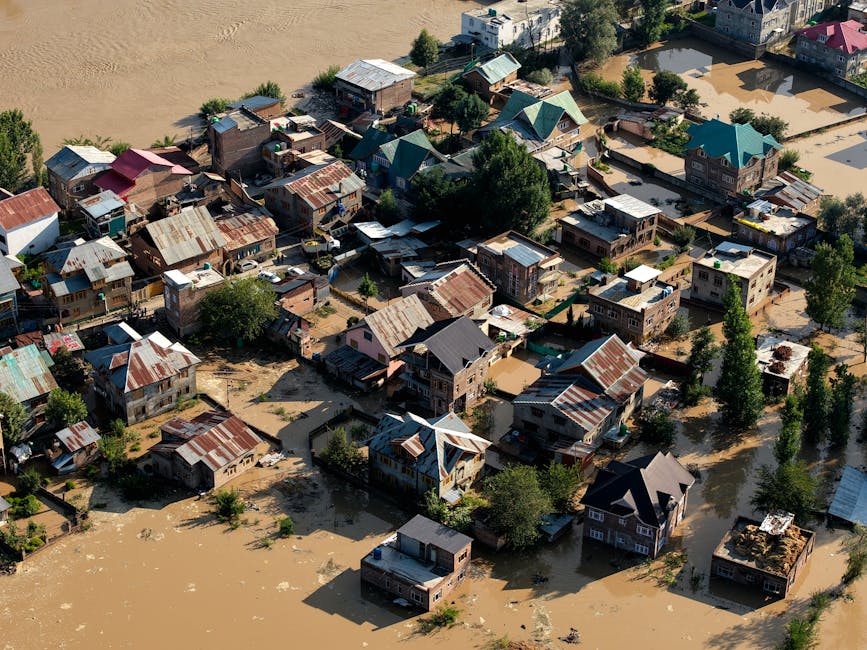
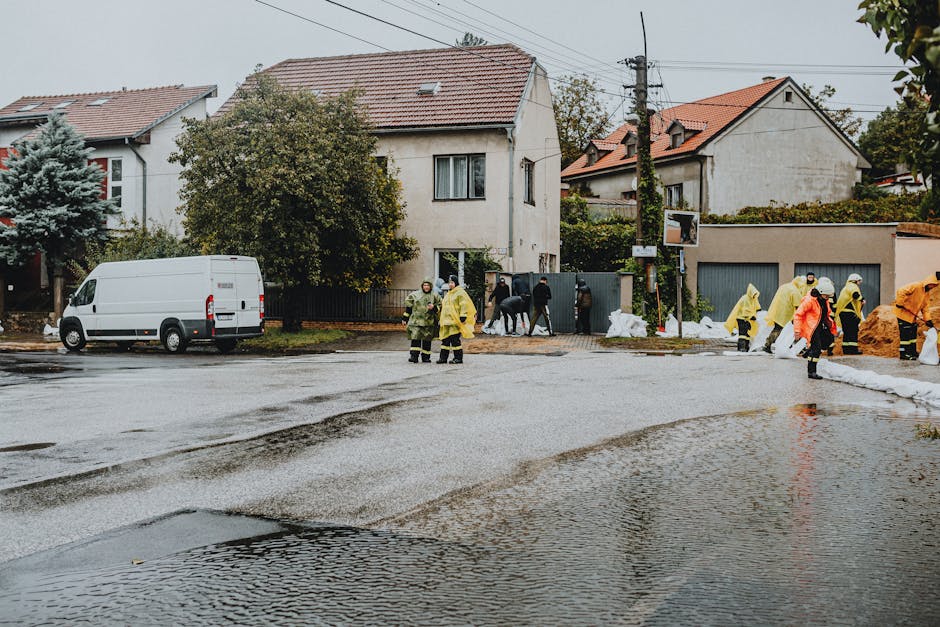
Emergency Flooded Carpet Cleanup in Merton: Same-Day Response
A flooded carpet has a way of turning an ordinary day upside down. One minute the room looks fine, the next you are standing there wondering if the water came from a burst pipe, an overflowing appliance, or a sudden leak that never gave you any warning. If you need Emergency Flooded Carpet Cleanup in Merton: Same-Day Response, speed matters, but so does doing the job properly. A rushed mistake can leave damp underlay, lingering smells, stains, or even mould that shows up later when everyone thought the problem was solved.
This guide walks you through what same-day carpet water damage cleanup involves, why a quick response really matters, what to do in the first few minutes, and how to judge the right approach for your home, rental, office, or end-of-tenancy situation in Merton. We will keep it practical. No fluff. Just the stuff that helps when the carpet is wet, the clock is ticking, and you need calm decisions rather than panic.
For broader background on local services, you may also find the main services overview useful, especially if the flood has affected more than one room or you are weighing up carpet care alongside domestic cleaning in Merton or office cleaning in Merton.
Table of Contents
- Why Emergency Flooded Carpet Cleanup in Merton: Same-Day Response Matters
- How Emergency Flooded Carpet Cleanup in Merton: Same-Day Response Works
- Key Benefits and Practical Advantages
- Who This Is For and When It Makes Sense
- Step-by-Step Guidance
- Expert Tips for Better Results
- Common Mistakes to Avoid
- Tools, Resources and Recommendations
- Law, Compliance, Standards, or Best Practice
- Options, Methods, or Comparison Table
- Case Study or Real-World Example
- Practical Checklist
- Conclusion
- Frequently Asked Questions
Why Emergency Flooded Carpet Cleanup in Merton: Same-Day Response Matters
Water does not sit politely on a carpet and wait for you to decide what to do. It spreads into fibres, underlay, gripper rods, and sometimes the subfloor. In practical terms, that means a room can go from "a bit damp" to "serious hidden damage" faster than most people expect. Same-day action helps limit how far the moisture travels and reduces the chance of odour, staining, and structural problems.
In Merton, where homes range from older terraced properties to flats, maisonettes, and busy shared spaces, water damage can behave differently from one building to the next. A Victorian floorboard under a carpet may hold moisture beneath the surface. A modern fitted carpet in a flat may trap water at the edges. In an office or rental property, the pressure is different again because downtime and occupant safety come into play.
There is also a simple human side to it. Wet carpet changes the feel of a room immediately. You can smell it. You hear the squelch. You notice the cold patch underfoot. And once that damp settles in, it becomes a lot harder to ignore. Truth be told, people often wait a little too long because the water does not look dramatic enough at first. That is when things get more expensive and more awkward.
The other big reason this matters is contamination. If the floodwater came from a clean source, that is one thing. If it came from a washing machine overflow, a backed-up waste pipe, or any water that may have picked up dirt, bacteria, or residue, the approach needs to be more careful. Not necessarily scary, just careful.
If you are dealing with a property move or a time-sensitive handover, the issue becomes even more urgent. A quick response can be the difference between salvaging the carpet and replacing it. For people in transition, related local guidance such as end of tenancy cleaning in Merton and even property transactions in Merton can be relevant, because delays and damage rarely stay neatly in one category.
Expert takeaway: with flooded carpet, the first few hours matter far more than the first few days. Fast drying is useful; fast assessment is crucial.
How Emergency Flooded Carpet Cleanup in Merton: Same-Day Response Works
Same-day flood response usually follows a simple but disciplined sequence. The work is not glamorous, but it is methodical, and that is exactly what you want when the carpet is wet and the room feels half unusable.
1. Initial call and situation check
The first step is a short assessment. What caused the flooding? How much water is present? Is it still coming in? Which rooms are affected? Is the carpet only surface-wet, or is the underlay saturated? A quick, clear description helps decide whether the situation is suitable for salvage, drying, deep extraction, or a more cautious contamination-aware approach.
2. Safety first, water second
If the area is near sockets, electronics, or appliances, safety comes before cleaning. Anyone dealing with active water near electrics should stop and make the space safe where possible, and then avoid further contact until the risk is understood. That may sound obvious, but in real life people often grab towels first and think about hazards later. Fair enough, it happens.
3. Water removal and extraction
Professional carpet water extraction usually involves removing standing water and pulling excess moisture from the fibres and backing. The goal is not just to make the surface look better. It is to reduce the amount of water that can seep deeper into the carpet system.
4. Lift, inspect, and check underlay if needed
If the flood is moderate or heavy, the carpet may need lifting at the edges so the underlay and floor can be inspected. This matters because the surface can feel only damp while the layer underneath remains soaked. That hidden moisture is where many long-term issues begin.
5. Drying setup
Airflow and dehumidification are the heart of the drying stage. The exact method depends on the room, the carpet material, how long the water has been present, and the surrounding conditions. A same-day response should aim to stabilise the room quickly, then keep moisture moving out of the carpet system.
6. Deodorising and final inspection
Once the carpet is dry enough, the final pass is about smell, fibre condition, and confidence. Sometimes a carpet looks fine and still needs more drying time. Sometimes a patch needs extra attention because the underlay held more water than expected. The sensible approach is to check, not assume.
For homeowners who want a longer-term service picture after the emergency is under control, the carpet cleaners Merton page is a useful next stop, and if the flood has affected nearby fabrics, upholstery cleaning in Merton may also be relevant.
Key Benefits and Practical Advantages
Rapid flooded carpet cleanup is not just about making the room usable again. There are several practical gains, and they add up quickly.
| Benefit | Why it matters | Real-world effect |
|---|---|---|
| Reduced moisture spread | Limits water reaching underlay and flooring | Less hidden damage and fewer repairs later |
| Lower odour risk | Damp carpets can start to smell quickly | The room feels normal again sooner |
| Better chance of saving the carpet | Prompt extraction protects fibres and backing | Replacement may be avoidable |
| Less disruption | A same-day response shortens downtime | Useful for families, tenants, and offices |
| More confident assessment | You can see how deep the water has gone | Better decisions about drying or replacement |
There is also a quiet but important benefit: peace of mind. Once a carpet has been professionally assessed and dried properly, you are not left wondering whether a smell will appear next week, or whether a dark patch in the corner means mould is brewing. That uncertainty is exhausting. Removing it is worth a lot.
For landlords, letting agents, and property managers, the advantages are even more straightforward. Fast action helps protect the asset, keep tenant relations calmer, and reduce the chance that one incident becomes a bigger maintenance issue. If you manage more than one property, related resources such as investing smartly in Merton properties can offer useful local context.
Who This Is For and When It Makes Sense
This service is for anyone who suddenly has wet or flooded carpet and needs a fast, practical response. That includes people in homes, flats, offices, shops, rented properties, and shared buildings. It also includes people who are not sure how bad the problem is yet. Honestly, that is most of us the first time it happens.
Typical situations include:
- burst pipes or loose fittings
- washing machine, dishwasher, or appliance leaks
- toilet, sink, or bath overflow
- rainwater ingress after a severe weather event
- spillages that have soaked through to the underlay
- post-incident drying after a leak has been repaired
It makes sense when you need the carpet checked and dried quickly, especially if the room is in daily use. For example, a hallway in a family home cannot stay off-limits for long. A living room used in the evening. An office that needs people back at desks by Monday. A rental flat where turnaround time is already tight. The context changes, but the need is similar: get the moisture out before it settles in.
Same-day response is especially useful if you are comparing this with broader household support. A lot of people start with emergency carpet cleanup and then realise they also need a deeper reset across the property. In that case, the local house cleaning in Merton page may be handy later on, once the urgent moisture problem is handled.
Step-by-Step Guidance
If your carpet has just been flooded, here is the most sensible order of operations. Keep it simple and do not overthink it in the first ten minutes.
- Stop the source of water if you can do so safely. Turn off the appliance, close the valve, or isolate the area if the leak is still active.
- Protect people and electrics. Move pets, children, and any electronics away from the wet area.
- Blot or remove standing water where it is safe. Use towels or a wet vacuum if you already have one, but do not push water deeper into the carpet.
- Open windows and improve airflow. Fresh air helps, though in some weather it is only part of the answer.
- Call for same-day help if the water is more than minor surface dampness. If it has soaked through or covers a large area, speed matters.
- Ask what the response will include. Extraction, inspection, drying equipment, and advice on underlay or flooring.
- Keep the room as clear as possible. Furniture sitting on wet carpet can cause staining and slower drying.
- Monitor smell, texture, and temperature. If it still feels cold or smells musty, more drying may be needed.
Small note: people sometimes focus on the visible puddle and ignore what has already moved beneath the surface. That part is the sneaky bit. If the carpet feels damp in a wider ring than you expected, assume the water has travelled.
Expert Tips for Better Results
These are the small things that often make the biggest difference. Not glamorous, just useful.
- Act before the carpet dries unevenly. Once moisture starts setting in, marks and odours become harder to manage.
- Do not over-wet the carpet with extra water. People mean well when scrubbing, but it can push the problem deeper.
- Lift small movable furniture off the carpet. Even a table leg can leave a mark if the pile stays damp.
- Watch the underlay. If underlay is saturated, the carpet surface alone is not the full story.
- Use airflow sensibly. Air movement helps drying, but it works best when combined with extraction and moisture removal.
- Keep notes if the flood is linked to a tenancy or insurance matter. A few photos and timestamps can help later. Nothing dramatic, just practical.
One more thing: if the carpet is in a room that people walk through constantly, set expectations early. A bit of temporary disruption now is better than pretending the room is fine and discovering a damp smell later. Let's face it, carpets are forgiving, but not endlessly so.
Common Mistakes to Avoid
Flooded carpet jobs often go wrong for very ordinary reasons. Here are the traps to avoid.
- Waiting too long. The most common mistake by far.
- Only drying the surface. A carpet that feels dry on top can still be wet underneath.
- Using heat too aggressively. Strong direct heat can sometimes create uneven drying or damage fibres.
- Walking repeatedly on the wet area. This spreads contamination and packs moisture deeper into the pile.
- Replacing the carpet too quickly without checking salvage options. Sometimes the carpet can be saved if action is fast.
- Ignoring the cause. If the leak source is not fixed, the problem will return. Simple as that.
- Forgetting nearby textiles. Rugs, curtains, and soft furnishings can also hold moisture or odour.
There is a slightly awkward truth here: many carpets are damaged more by delay than by the flood itself. That does not mean panic. It means being decisive.
Tools, Resources and Recommendations
When dealing with a flooded carpet, the right tools matter, but so does knowing their limits. A good emergency response may use some of the following:
- Wet vacuum or extraction machine for removing standing water and pulling moisture from fibres
- Air movers to keep air flowing across the carpet surface
- Dehumidifier to reduce moisture in the room air
- Moisture meter to check whether drying is actually complete
- Protective gloves and simple cleaning supplies for safe handling and spot treatment
- Furniture blocks or foil pads to keep legs out of damp fibres
For someone not familiar with drying equipment, the most important recommendation is not to improvise too much. A standard household fan can help, sure, but a flood in a carpeted room is usually more than a fan-and-hope situation. If the room is larger, the underlay is damp, or the floodwater is not clean, professional equipment is often the more reliable route.
It can also help to understand the service landscape before you book. The main pricing and quotes page is a sensible place to check how enquiries are handled, while insurance and safety explains the kind of trust signals many readers look for before letting anyone into a flooded property.
Law, Compliance, Standards, or Best Practice
Flooded carpet cleanup is not usually about complex law, but there are sensible UK best-practice expectations to keep in mind. If the flooding involves electrics, contaminated water, or possible structural damage, safety comes first. If you are a landlord, managing agent, or business owner, you also have a practical duty to deal with hazards promptly and keep the premises reasonably safe for occupants and visitors.
Where water may be contaminated, extra caution is sensible. That could mean separating salvageable items from affected areas, using protective equipment, and avoiding any assumption that all floodwater is the same. Clean water from a supply pipe is very different from water that has passed through waste lines or picked up debris.
Best practice also means proper drying verification. Surface dryness is not enough if hidden moisture remains in underlay or subfloor layers. Moisture checking, ventilation, and follow-up inspection are not overkill; they are how you avoid the "it seemed fine at the time" problem later on.
From a property-management perspective, good record keeping is a smart habit. A brief log of when the flood happened, what action was taken, and what drying measures were used can help if the issue later becomes a dispute or an insurance discussion. Calm records beat vague memories every time.
Options, Methods, or Comparison Table
Not every flooded carpet needs the same approach. The right method depends on how much water there is, how long it has been there, and what caused it. Here is a simple comparison to make the decision clearer.
| Method | Best for | Strengths | Limitations |
|---|---|---|---|
| Surface blotting and ventilation | Very minor spillages | Fast, simple, low cost | Not enough for soaked underlay or larger areas |
| Wet vacuum extraction | Moderate water on carpet surface | Removes visible water quickly | May not reach deep moisture |
| Lift-and-dry approach | Water that has reached underlay | More thorough, better for hidden damp | More disruptive, needs careful handling |
| Full drying setup with dehumidification | Wider flooding or ongoing damp risk | Best for controlled, even drying | Requires time and equipment |
| Replacement | Severe contamination or structural saturation | Ends the problem decisively | Costlier and more disruptive |
If you are deciding between cleaning and replacement, ask a simple question: has the carpet merely been wet, or has it been compromised? That distinction is often what matters. In some cases the fibres are fine, but the underlay is the weak link. In others, the carpet is structurally damaged and drying would only delay the inevitable. A proper assessment gives you that answer.
Case Study or Real-World Example
Here is a realistic scenario. A family in Merton returns home in the evening and finds a utility room carpet soaked after a washing machine hose worked loose. The water has spread into the hall edge, and the room smells faintly metallic and damp. Not dramatic enough to look like a disaster, but enough to feel wrong.
They stop using the machine, move a rug and some basket storage out of the way, and contact for same-day cleanup. On inspection, the carpet surface is wet, but the underlay at the doorway is also holding moisture. The response includes extraction, lifting the edge of the carpet, checking the affected section, and setting up airflow and dehumidification. By the next day, the room is already in a much better position than if they had just opened the window and hoped for the best.
The useful part of this example is not that everything was perfect. It never is. The useful part is that the problem was treated as time-sensitive, not as an inconvenience to deal with later. That is the difference between a manageable repair and a lingering damp issue.
In a rental property, the same event might also involve communication with the landlord or agent, photos for records, and a check on nearby flooring. In an office, the conversation changes again, because downtime and access matter more. Same basic problem, different pressure points.
Practical Checklist
Use this quick checklist if your carpet floods and you need to stay organised.
- Identify and stop the water source if it is safe to do so
- Keep people, pets, and electrics away from the wet area
- Remove small items, rugs, and light furniture
- Blot or extract standing water if you already have the right equipment
- Open windows and improve airflow where practical
- Arrange same-day professional help for anything beyond minor dampness
- Ask whether underlay and subfloor will be checked
- Confirm drying equipment or moisture monitoring is included
- Take photos if the incident involves tenancy, insurance, or business records
- Do not walk repeatedly over the wet carpet
- Keep monitoring for smell, cold patches, or darkened areas
- Follow up if the room does not feel fully dry
If you are dealing with a larger property issue, it may be useful to look at about us for a bit more background on the team and approach, or to check health and safety policy if you want reassurance on how safety is handled.
Conclusion
Flooded carpet cleanup is one of those jobs where the first response shapes everything that follows. A same-day approach in Merton gives you the best chance of limiting damage, protecting the underlay, reducing odour, and avoiding the slow creep of damp that tends to show up later when nobody wants it. Done properly, it is calm, practical, and focused on restoring the room rather than just making it look passable for an hour.
If you are dealing with a wet carpet right now, do the simple things first, then get a proper assessment rather than guessing. That one decision often saves a lot of stress. And if the room is still standing there with that unmistakable damp smell, well, it is time to treat it seriously.
Get a free quote today and see how much you can save.
For related reading, you might also browse the local blog archive at the Merton blog or this nearby guide on carpet cleaning methods near Wimbledon High Street if you are comparing approaches for a specific property.
Frequently Asked Questions
How quickly should flooded carpet be cleaned?
As quickly as possible, ideally the same day. The sooner water is extracted and drying begins, the better the chance of saving the carpet and preventing hidden damp issues.
Can a flooded carpet be saved?
Often, yes, especially if the water was dealt with promptly and the underlay has not been saturated for long. The source of water, the amount involved, and how long it has sat there all affect the outcome.
Do I need to lift the carpet after a flood?
Not always, but if water has reached the underlay or edge areas, lifting may be needed so the hidden moisture can be checked and dried properly.
What if the floodwater came from a dirty source?
That changes the approach. Water from waste pipes, overflows, or contaminated sources needs more caution than clean water from a supply leak. The cleaning method should reflect that.
Will fans alone dry a flooded carpet?
Fans can help air movement, but they are usually not enough on their own for anything more than very minor dampness. Extraction and dehumidification are often needed for better results.
How do I know if the underlay is wet?
It may feel soft, cold, or spongy underfoot, and the carpet may dry unevenly. A professional moisture check is the clearest way to tell.
Is same-day carpet cleanup available for homes and offices in Merton?
Yes, same-day response is often especially useful for both domestic and commercial settings because it reduces disruption and helps stop damage from spreading.
Can carpet cleaning remove a bad smell after flooding?
It can, but only if the source of the odour is properly addressed. Lingering damp in the underlay is a common reason smells return, so drying matters as much as cleaning.
Should I move furniture off the wet carpet?
Yes, if it is safe and practical. Furniture can trap moisture, leave marks, or slow drying. Lightweight items are best moved away straight away.
How much does emergency flooded carpet cleanup cost?
Costs vary depending on the area affected, the severity of the flooding, access, and whether drying equipment or underlay work is needed. A clear quote is the safest way to understand the likely cost.
Is flooded carpet cleanup different for rentals?
Yes, because there may be additional communication, records, or handover issues. In a rental, quick action is especially useful for keeping the property in good condition and reducing disagreement later.
What should I ask before booking emergency carpet drying?
Ask what is included in the response, whether underlay inspection is part of the service, how drying is monitored, and how soon the team can attend. Those questions reveal a lot very quickly.