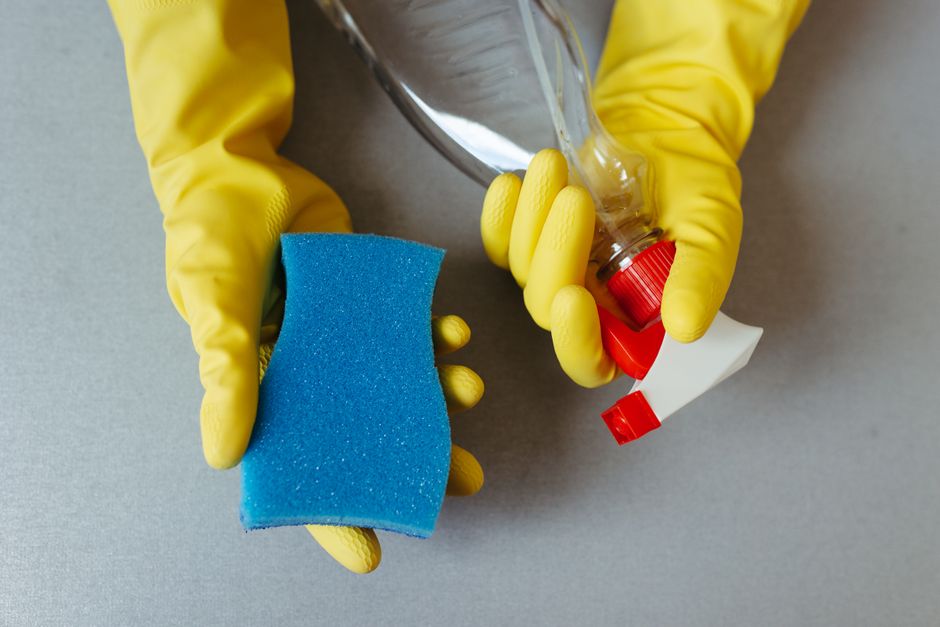
Fines for Chemical Disposal in Merton: What Cleaners Face
If you clean homes, offices, carpets, ovens, or commercial premises in Merton, chemical disposal is not a side issue. It is one of those behind-the-scenes responsibilities that can quietly turn into a costly problem if it is handled badly. Fines for chemical disposal in Merton: what cleaners face is really about more than money; it is about reputation, compliance, safety, and whether your business is seen as careful or careless.
To be fair, most cleaners are not trying to do the wrong thing. A half-used bottle of solvent here, a waste drum there, a quick pour down the drain because the van is already packed up - that is how small mistakes happen. But councils and enforcement bodies do not usually judge the intention first. They look at the outcome, the disposal route, and whether duty of care has been taken seriously. This article breaks down the practical risks, what fines can follow, how the process works, and how cleaners in Merton can stay on the right side of good practice without making life harder than it needs to be.
Why Fines for Chemical Disposal in Merton: What Cleaners Face Matters
Chemical disposal matters because cleaning work often produces waste that is not ordinary household rubbish. Think of diluted degreasers, floor strippers, stain removers, solvent-based spot treatments, leftover products from deep cleans, or contaminated absorbent materials. Once a chemical is no longer in use, it still has to be handled properly. That includes storage, transfer, labelling, transport, and disposal.
In Merton, as in the rest of London, improper disposal can lead to more than a warning. Fines can follow if waste is fly-tipped, poured into drains, mixed with general waste incorrectly, or transported without proper controls. The issue is not only the chemical itself; it is the chain of responsibility. If a cleaner uses a product on site, the cleaner may still be expected to know where the waste ends up.
Here is the bigger picture. One careless disposal incident can create a spill, harm a drainage system, contaminate another waste stream, or expose staff to fumes. It can also damage trust with clients. A landlord, facilities manager, or homeowner will not be impressed if the carpet looks good but the disposal practice is sloppy. Let's face it, people want a clean result without a hidden mess behind the scenes.
For businesses offering services like deep cleaning, carpet cleaning, office cleaning, or after builders cleaning, the volume and variety of chemicals can rise quickly. That means the risk rises too, especially where jobs are rushed or outsourced waste handling is vague.
How Fines for Chemical Disposal in Merton: What Cleaners Face Works
Enforcement usually starts with how the waste was handled. If a chemical is disposed of illegally, a cleaner might face an on-the-spot penalty, a formal investigation, or further action depending on the seriousness of the issue. The exact response can vary. A minor one-off mistake will not be treated the same as repeated dumping or disposal that causes environmental harm.
In practice, the process often looks like this:
- The waste is generated during cleaning or clearance work.
- It is stored temporarily, either in a van, a depot, or on-site.
- Someone decides how it will be removed, handed over, or discarded.
- If that step is wrong, the issue can be reported or discovered during inspection.
- The business may then need to explain what happened and prove how waste was managed.
That last point is the one many cleaners underestimate. If you cannot show where waste went, who collected it, or how it was segregated, you may struggle to defend your position. A paper trail matters. So does consistency.
There is also a difference between standard cleaning products and more problematic substances. A small amount of diluted detergent is not the same as solvent-heavy stain remover, chemical stripper, or industrial degreaser. But both still need proper handling. Even packaging, rags, and absorbents can become controlled waste if they are contaminated.
For companies handling regular contracts, such as commercial cleaning or regular cleaning, the safest approach is to treat every chemical waste decision as something that should be documented, not guessed at. Guessing is expensive. Sometimes very expensive.
Key Benefits and Practical Advantages
Good disposal practice is not just about avoiding penalties. It actually makes the business run better. Cleaner operations tend to have fewer surprises, fewer complaints, and fewer awkward conversations after a job. That's the practical side, and it matters.
- Lower enforcement risk: proper segregation, storage, and transfer reduce the chance of a disposal breach.
- Better client trust: customers notice when a company works neatly and responsibly.
- Safer staff conditions: fewer spill risks, fumes, and cross-contamination issues.
- Cleaner audit trail: records make it easier to answer questions if something is challenged.
- Improved operational discipline: staff who manage waste properly tend to be more careful elsewhere too.
There is also a commercial advantage. Responsible handling supports a more professional image, which can matter in areas like house cleaning, domestic cleaning, or end of tenancy cleaning, where clients often choose providers based on trust rather than price alone. A tidy system in the van and on-site usually reflects a tidy business overall.
And yes, it can save time too. Properly labelled waste containers and simple disposal routines reduce the "where does this go?" shuffle at the end of a long day. Nobody enjoys that part, especially on a wet Tuesday evening when the last job has run over and everyone wants to get home.
Who This Is For and When It Makes Sense
This topic matters to a wide range of cleaning professionals. If you use chemicals at all, you are in scope. That includes small independent cleaners, franchise operators, subcontractors, facilities teams, and businesses that handle one-off specialist jobs.
It makes particular sense to think about disposal rules if you work in any of these settings:
- carpet and upholstery work where stain removers and extraction residues are common
- oven cleaning where heavy-duty degreasers may be used
- builder's cleans involving plaster dust, adhesives, or construction residues
- patio, facade, or gutter work where stronger outdoor chemicals may appear
- commercial contracts with recurring waste streams and storage needs
- move-out or clearance work where mixed waste becomes a real-world headache
If you are handling steam carpet cleaning, sofa cleaning, or upholstery cleaning, the wastewater and residue streams deserve attention even when they seem small. The same applies to pet stain odour removal and stain removal, because treatment products can be stronger than they look on the label.
If you only clean occasionally, you may think the rules are more relaxed for small volumes. Sometimes they are in practice, but not always in principle. A tiny amount of bad disposal can still create a problem if it reaches the wrong place. Small volume, big mess. Happens more often than people like to admit.
Step-by-Step Guidance
If you want a simple way to reduce risk, start with a repeatable system. Not fancy. Just reliable.
- Identify the waste type. Separate leftover product, contaminated cloths, empty containers, wastewater, and general rubbish.
- Read the product guidance. Check the label and safety information before you decide how to store or dispose of it.
- Keep incompatible chemicals apart. Some products should never be mixed, even in small amounts.
- Use suitable containers. Do not leave chemicals in unlabelled bottles or open buckets in a van.
- Store waste securely. Prevent leaks, tipping, heat exposure, and contact with other materials.
- Record what was collected. Date, product type, quantity, and how it left the site.
- Hand waste to the right carrier or facility. Use a route that fits the waste type, not whatever is easiest that day.
- Review mistakes quickly. If something went wrong, fix the system before the next job, not after.
A useful internal rule is this: if you would be embarrassed to explain the disposal step to a client, it probably needs tightening up. That sounds blunt, but it works.
For larger businesses, tie this process into your health and safety policy and make sure staff know how it applies on a real job, not just in a document nobody reads. Policies are helpful; habits are better.
Expert Tips for Better Results
Over time, the cleaner businesses that stay out of trouble usually do a few things consistently well.
- Standardise products where possible. Fewer products means fewer disposal permutations.
- Keep a waste box in the van. Small absorbents, caps, and containers need somewhere safe to go.
- Use clear labels from the start. "Unknown liquid" is exactly the kind of note that causes problems later.
- Train new staff on disposal, not just application. A product used correctly can still become a problem after the job.
- Plan end-of-day cleanup. The last 10 minutes matter more than people think.
Another practical tip: photograph unusual waste before it leaves site. Not for vanity. For records. If there is ever a dispute, a quick image can help show what was present and how it was contained. Keep it simple and factual.
Where clients ask about sustainability, it can help to point them towards your recycling and sustainability approach. That is not a free pass, of course. But it does show you are thinking beyond the immediate job. Good clients like that. More than that, they remember it.
Common Mistakes to Avoid
Most disposal problems come from a handful of avoidable habits. The annoying bit? They are all pretty ordinary.
- Pouring leftover chemicals down sinks or drains. This is one of the quickest ways to create risk.
- Mixing product waste with general rubbish without checking. Some materials should not go into standard waste streams.
- Leaving containers half open in vehicles. A warm van can make fumes and leaks worse.
- Assuming dilution makes everything safe. Not always true, and sometimes very much not true.
- Keeping no records. If there is no log, there is no easy defence.
- Relying on "we've always done it this way." That phrase is rarely a strong compliance strategy.
Another mistake is forgetting that chemical disposal often intersects with other waste types. A job may also generate cloths, paper towels, packaging, broken accessories, or even abandoned items. If you are dealing with house clearance or mixed domestic work, this gets messy quickly. The answer is not to panic. It is to separate waste early, then keep it separated.
Tools, Resources and Recommendations
You do not need a complicated system to do this well. A few practical tools go a long way.
| Tool or resource | What it helps with | Why it matters |
|---|---|---|
| Labelled waste containers | Separating chemical waste from general rubbish | Reduces confusion and accidental disposal errors |
| Simple waste log | Recording what left the site and when | Creates a basic audit trail |
| Spill kit | Containing leaks or accidents in the van or on-site | Limits damage before it spreads |
| PPE | Handling contaminated materials safely | Protects hands, eyes, and breathing space |
| Staff briefing sheet | Explaining disposal steps clearly | Useful for new team members and subcontractors |
For operators who want a fuller business overview, the company's about us page can help frame who is behind the service, while insurance and safety is a sensible place to check how risk is approached more broadly. If you are comparing service options or planning a larger job, pricing and quotes may also be useful before work begins.
One more thing: build waste handling into your regular job setup. Do not treat it as an emergency add-on after the chemicals are already on the site. That is how the awkward bit starts.
Law, Compliance, Standards, or Best Practice
When cleaners talk about chemical disposal compliance in the UK, the important idea is duty of care. In plain English, that means you are responsible for waste from the moment it is created until it is handed over properly. The details can vary depending on the waste type, quantity, and where it is going, so it is sensible to use careful, conservative judgement rather than improvising.
For cleaners in Merton, best practice usually includes:
- storing chemicals safely and securely
- keeping waste streams separated where needed
- not pouring cleaning residues into public drains or sinks unless you are certain that route is appropriate
- using properly authorised waste handlers where disposal is required
- keeping basic records of waste transfer or collection
- training staff so they understand the difference between routine rubbish and chemical waste
If you run a team, your terms and conditions should support clear responsibility boundaries too. Clients need to know what is included, what is excluded, and who handles waste once the job is complete. That clarity prevents friction later.
There is also a practical moral here. Compliance is not just about avoiding penalties; it is about doing the job in a way that does not leave problems for someone else. A blocked drain, a contaminated bin load, or a leaking container is a headache for the next person in line. Usually the next person is not the one who caused it.
Options, Methods, or Comparison Table
Cleaners generally have a few routes for handling chemical waste, but not every route fits every waste stream. The right option depends on volume, contamination level, and whether the product is still classed as hazardous in practice. Here is a simple comparison.
| Method | Best for | Strengths | Limitations |
|---|---|---|---|
| Reuse where safe | Small amounts of suitable product left from a job | Less waste, lower cost | Only works if the product is still stable and usable |
| Segregated storage for collection | Mixed or uncertain chemical waste | More controlled and traceable | Needs space and a proper collection route |
| Authorised disposal route | Problematic or contaminated waste | Safer for staff and the environment | May involve more admin and cost |
| General waste disposal | Only genuinely non-hazardous items | Simple and familiar | Wrong choice if the item is contaminated |
In service businesses such as one-off cleaning or Airbnb cleaning, jobs can vary so much that a one-size-fits-all approach does not work. One property might use only mild detergents; the next might involve stronger stain treatments and a full set of absorbents. The method has to match the actual waste, not the expected one.
Case Study or Real-World Example
Imagine a small cleaning team in Merton finishing a post-tenancy job on a rainy evening. They have used carpet stain remover, a degreaser in the kitchen, and a small amount of upholstery treatment in the living room. There are now half-full bottles, a couple of contaminated cloths, and a bucket of residue water that looks harmless enough at a glance.
The team is tired. The van is already full. Someone suggests tipping the residue into a drain and binning the cloths with general waste. It feels quick. Efficient, even. But one person pauses and checks the product guidance first. The cloths are kept separate, the leftover liquid is labelled, and the waste is stored for the correct collection route the next day.
Nothing dramatic happens. Which is the point. The job ends quietly, the client is happy, and the business does not have to explain itself to anyone. That is what good disposal looks like most of the time: boring, consistent, and quietly protective.
A similar situation can come up after specialist work like oven cleaning, where stronger products and greasy residues create more disposal questions. If you have ever seen the inside of a heavily used oven after a long-term tenancy, you know it is not the nicest smell in the world. The waste afterwards deserves equal respect.
Practical Checklist
Use this checklist before, during, and after jobs that involve chemicals:
- Have I identified every chemical used on the job?
- Do I know which waste items are contaminated?
- Are all containers labelled clearly?
- Are incompatible products kept apart?
- Is the waste stored securely in the van or on-site?
- Do staff know what not to pour into drains or sinks?
- Have I recorded what waste was created and where it is going?
- Is the disposal route suitable for the waste type?
- Do I have a spill kit and PPE available if something leaks?
- Has the client been told anything relevant in advance, where needed?
If you work across different property types, this checklist may need a few extra lines. For instance, window cleaning, patio cleaning, and gutter cleaning can all create different waste profiles. The principle stays the same: know the waste before you decide where it goes.
Conclusion
Fines for chemical disposal in Merton: what cleaners face is ultimately a reminder that good cleaning is not only about visible results. It is also about what happens after the visible work is done. Waste handling, labels, records, and safe transfer all sit quietly in the background, but they can make the difference between a smooth business and a costly mistake.
If you stay organised, train your team, and treat disposal as part of the job rather than an afterthought, you reduce risk and strengthen your reputation at the same time. That is a solid place to be. Not perfect, maybe, but solid - and in the real world, solid usually wins.
Get a free quote today and see how much you can save.
For cleaners who want to work more confidently and keep standards high, the next sensible step is to review your current waste process and tighten the weak spots before they become a problem. Small changes now can save a lot of stress later, and honestly, that is the kind of win that feels good at the end of a long week.
Frequently Asked Questions
What counts as chemical waste for cleaners in Merton?
Chemical waste can include leftover cleaning product, contaminated cloths, absorbent materials, residue water, empty containers that still hold hazardous residue, and anything else polluted by a chemical used during cleaning work.
Can cleaners pour leftover cleaning chemicals down the drain?
Not as a general rule. Some substances may appear dilute, but that does not automatically make them safe or lawful to discharge. Cleaners should check the product guidance and use a disposal route that matches the waste type.
Are small amounts of chemical waste treated differently?
Sometimes small amounts are handled less formally in practice, but that does not remove responsibility. The important point is whether the waste is properly controlled, labelled, and disposed of in a suitable way.
What fines can cleaners face for improper disposal?
The outcome depends on the seriousness of the breach. It may involve an on-the-spot penalty, a formal investigation, or further enforcement. The exact response varies, so it is best not to assume minor waste issues will be ignored.
Do domestic cleaners need to worry about chemical disposal?
Yes, if they use chemicals at all. Even domestic cleaning can create waste from sprays, degreasers, stain removers, or contaminated materials. The scale may be smaller than in commercial work, but the responsibility is still there.
How should cleaning businesses store waste before collection?
Waste should be kept in suitable, sealed, clearly labelled containers and stored securely to prevent leaks, spills, or mixing with other waste. A tidy storage system is far safer than loose bottles rolling around in a van.
What records should cleaners keep?
At minimum, keep a basic log of what waste was produced, when it was generated, how it was stored, and how it was removed or collected. Even simple records can make a big difference if questions arise later.
Does insurance cover chemical disposal mistakes?
Not always, and not in the way people hope. Insurance can be helpful, but it should not be treated as a substitute for proper disposal practice. It is better to prevent the issue than rely on cover after the fact.
How can cleaners train staff on disposal rules?
Use short, practical guidance. Show staff which products create waste, where containers go, what not to mix, and how to log disposal. A quick toolbox talk is often more effective than a long policy nobody remembers.
Is chemical disposal different for carpet cleaners and upholstery cleaners?
Yes, often it is. Carpet and upholstery work can create wastewater, residues, and contaminated textiles. That does not make it impossible to manage, but it does mean the disposal plan should be tailored to the work type.
What is the safest first step if a chemical spill happens on-site?
Protect people first, contain the spill if it is safe to do so, and use appropriate PPE and a spill kit. If there is any uncertainty, stop and follow your incident procedure rather than guessing. Guessing and chemicals do not mix well.
Where can a cleaner improve compliance without overcomplicating the job?
Start with three things: better labels, a simple waste log, and a clear separation between general rubbish and chemical waste. Those small habits often do more than elaborate systems that nobody uses consistently.