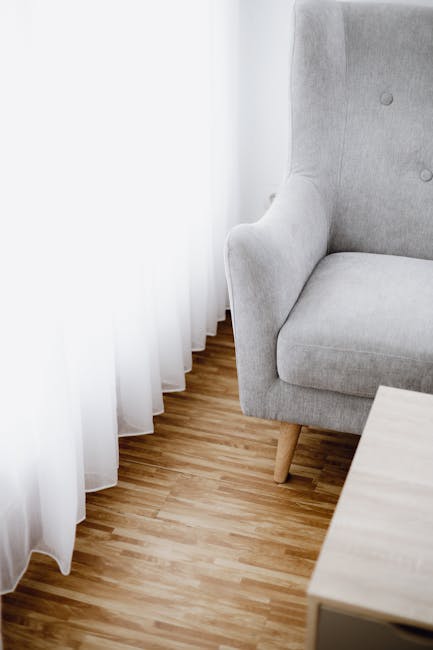
Morden SM4 Guide: Upholstery Cleaning for Morden Hall Park Homes
If you live near Morden Hall Park, you already know the charm of the area can come with a very ordinary problem: sofas, armchairs, dining chairs and footstools pick up everyday dirt faster than you expect. A muddy school run, a rainy commute, a pet that loves the garden, a cup of tea balanced a little too close to the cushion edge - and suddenly the fabric looks tired. This guide to upholstery cleaning for Morden Hall Park homes is here to make that feel manageable, not mysterious.
We'll walk through why upholstery care matters in SM4, how professional cleaning works, what methods suit different fabrics, and how to avoid the mistakes that can turn a small stain into a permanent one. You'll also find practical checklists, comparisons, compliance notes, and a few local realities that make sense for homes around Morden Hall Park. Truth be told, most upholstery problems are fixable if you deal with them calmly and in the right order.
And yes, we'll keep it useful. No fluff.
Contents
- Why Morden SM4 Guide: Upholstery Cleaning for Morden Hall Park Homes Matters
- How Morden SM4 Guide: Upholstery Cleaning for Morden Hall Park Homes Works
- Key Benefits and Practical Advantages
- Who This Is For and When It Makes Sense
- Step-by-Step Guidance
- Expert Tips for Better Results
- Common Mistakes to Avoid
- Tools, Resources and Recommendations
- Law, Compliance, Standards, or Best Practice
- Options, Methods, or Comparison Table
- Case Study or Real-World Example
- Practical Checklist
- Conclusion
- Frequently Asked Questions
Why Morden SM4 Guide: Upholstery Cleaning for Morden Hall Park Homes Matters
Upholstery is one of those parts of the home you stop noticing until it starts to look dull, smell a bit stale, or hold on to marks that weren't there last month. In homes around Morden Hall Park, that can happen for a few very normal reasons. Green outdoor spaces are lovely, but they also mean more soil on shoes, more damp coats in the hallway, and more grit drifting onto soft furnishings. Add family life, pets, visitors, and the occasional takeaway night, and fabrics quietly take the strain.
Clean upholstery matters for more than appearance. It helps preserve the fabric, support a fresher indoor environment, and reduce the build-up of dust and allergens that settle into fibres over time. For households that value a tidy, comfortable living space, this is a very practical bit of maintenance, not a luxury.
If you're comparing wider home care options, it can help to see upholstery as part of a bigger routine. Services such as domestic cleaning in Merton or house cleaning support often work best when soft furnishings are included in the plan, because a clean room still feels unfinished if the sofa looks worn out. Small detail, big difference.
And let's face it: if you've ever tried to "just wipe it down" only to spread the mark wider, you know why informed cleaning matters.
How Morden SM4 Guide: Upholstery Cleaning for Morden Hall Park Homes Works
Good upholstery cleaning starts with identifying the fabric and the soil type. That sounds technical, but it's really just the difference between cleaning a synthetic family sofa with a light food spill versus treating a delicate natural fibre chair with years of embedded dust. The cleaning process should never be guesswork.
A proper approach usually follows a few stages:
- Inspection - the fabric type, condition, colour stability and stain history are checked first.
- Pre-vacuuming - dry soil, crumbs and loose dust are removed from seams, piping and cushions.
- Spot testing - a small hidden area is tested before any liquid or treatment touches the main fabric.
- Pre-treatment - targeted solutions help loosen oils, body soils and food marks.
- Deep cleaning - the appropriate method is applied, often hot water extraction or low-moisture cleaning depending on the fabric.
- Grooming and drying - fibres are reset, excess moisture is controlled and drying is encouraged.
The right method matters. Some upholstery can cope well with a wetter extraction process, while others need a gentler, lower-moisture technique. If a cleaner skips inspection and heads straight in, that's a red flag. A good technician should be willing to explain what they're doing and why.
For many homes, this service sits alongside related cleaning needs such as upholstery cleaning in Merton and carpet cleaning in Merton. That combination is often the smart move when you want a room to feel genuinely refreshed rather than half-done.
Key Benefits and Practical Advantages
There's a fairly direct reason people book upholstery cleaning: the sofa looks better. But the real benefits go beyond a visual tidy-up.
- Better appearance: fabrics regain brightness and texture, especially on frequently used seating.
- Longer fabric life: removing grit and oils helps reduce fibre wear.
- Improved comfort: a cleaner sofa feels fresher to sit on, simple as that.
- Odour reduction: cooking smells, pet smells and general household odours can cling to fabric.
- Allergen control: regular cleaning helps reduce the build-up of dust and particles in soft furnishings.
- Smarter maintenance: issues are spotted early, before they become expensive to fix.
There is also a subtle home-value benefit, especially if you're thinking about renting, selling, or just keeping the property in very good condition. If you're interested in the local housing picture, the article about buying property in Merton gives useful context on why presentation matters so much in this part of London. Clean interiors leave a stronger impression than people sometimes admit.
One practical point worth saying: clean upholstery can change how a room feels at 7am on a damp weekday. Softer, fresher, less grubby. Not dramatic, just nicer. And that counts.
Who This Is For and When It Makes Sense
Upholstery cleaning makes sense for a wider group of people than you might think. It's not only for "obvious stains" or homes with pets. In fact, some of the best times to book are before the visible problem becomes annoying.
Homeowners and long-term residents
If you've lived in your home for several years, upholstery will naturally collect body oils, dust and day-to-day grime. Even well-kept furniture can slowly go flat in appearance. A deep clean restores a lot of that lost freshness.
Landlords and tenants
Soft furnishings are especially relevant at the end of a tenancy, or when a furnished property needs to be presented cleanly between occupants. Pairing upholstery work with end of tenancy cleaning in Merton is often the most efficient route.
Families with children
Children are brilliant at making furniture earn its keep. Juice, crayons, snack crumbs, muddy hands - lovely memories, slightly less lovely fabric. Cleaning can help keep the room feeling under control without replacing furniture too soon.
Pet owners
If you share your home with a dog or cat, you'll know the soft-furnishing struggle is real. Hair, dander and the occasional wet-paw incident all settle in quickly. Regular care makes a noticeable difference.
People hosting often
Have a few friends round, or family popping in most weekends? Upholstery cleaning before a gathering can make the whole space feel more polished. The room looks calmer, smells cleaner, and you stop apologising for the armchair. Which is nice.
Local context matters too. Morden and the surrounding SM4 area have a healthy mix of family homes, flats, shared households and longer-term owner-occupied properties. That means upholstery cleaning needs can vary quite a bit from one street to the next. For a broader sense of the area, these reads are useful: what locals say about Merton living and Merton as a suburban London experience.
Step-by-Step Guidance
If you want to handle upholstery cleaning well, the order of operations matters. Rushing the job usually causes more trouble than the stain itself. Here's a sensible step-by-step approach for homes in and around Morden Hall Park.
- Read the care label. Look for cleaning codes such as W, S, WS or X. These give a rough clue about whether the fabric can be cleaned with water, solvent, or should only be vacuumed.
- Vacuum thoroughly. Use an upholstery attachment and work into seams, tucked edges and beneath cushions. This removes dry soil before any moisture is introduced.
- Identify the stain or issue. Food, oil, ink, pet accidents and general dulling need different treatment. Treating everything the same is where people go wrong.
- Spot test the product. Even a mild cleaner can affect colour or finish. Check a hidden patch first.
- Choose the right method. For some fabrics, a light moisture clean is enough. For others, a deeper extraction clean may be needed.
- Work patiently. Clean in sections. Don't soak the material. A damp, carefully treated fabric is better than a wet one.
- Remove residue. Leftover cleaning product can attract dirt. Rinsing or extracting properly is part of the job.
- Dry with airflow. Open windows if weather allows, or use fans to help. Avoid blasting heat directly at delicate fabric.
- Finish with a final check. Look at the fabric from different angles and in natural light. Some marks show up only when the sun comes through the window.
If you're cleaning at home, this sequence is worth following even for small jobs. And if the stain is stubborn, greasy or set in, stop before it spreads. That's the moment to call in specialist help rather than doubling down with more product.
Expert Tips for Better Results
There are a few things experienced cleaners tend to do that make the outcome noticeably better. Nothing magical. Just careful habits.
- Always start dry. A lot of people reach for a wet cloth too soon. Dry vacuuming first makes the whole process more effective.
- Use less liquid than you think. Upholstery can hide moisture deep in the padding, and that slows drying and invites odour.
- Work from the outside in. This helps stop stains from spreading into a wider ring.
- Blot, don't rub. Rubbing pushes the stain deeper into the fibres and can rough up the fabric surface.
- Know when to leave it alone. Some marks are better treated by a professional who can test solutions safely.
- Protect high-use areas. Seat fronts, arms and headrests usually need more frequent attention than back cushions.
- Keep a note of what was used. If a section needs re-treatment later, you'll know what's already been tried.
Here's a small but useful tip: if your sofa has removable cushions, clean them one at a time and let them dry evenly before turning them. It sounds fussy, but it avoids lopsided drying and odd water marks. Little things, really.
For households managing a fuller cleaning routine, it can be helpful to work from a broader service plan. The services overview is a sensible place to understand how upholstery fits alongside other cleaning options. If the whole home needs refreshing, that coordination saves time.
Common Mistakes to Avoid
Most upholstery damage happens because someone means well and moves too fast. Fair enough. The trick is to avoid the predictable slip-ups.
- Using the wrong product for the fabric. A cleaner that works on one sofa may be harsh on another.
- Over-wetting the material. This is one of the most common causes of lingering odour and slow drying.
- Skipping the patch test. A hidden reaction is still a reaction, even if it is on the back corner nobody sees.
- Scrubbing aggressively. It can distort fibres and leave a permanent patch that looks worse than the stain.
- Mixing products. Never combine cleaning chemicals unless the instructions clearly allow it.
- Ignoring the filling underneath. The surface may look fine while moisture remains trapped below.
- Waiting too long. Fresh spills are far easier to deal with than set-in marks.
Another mistake? Assuming all upholstery is "basically the same". It isn't. Velvet, woven synthetics, cotton blends, linen mixes and leather all behave differently. If you treat them like one category, the fabric usually reminds you. Not politely either.
Tools, Resources and Recommendations
You do not need a huge kit for sensible upholstery maintenance, but a few good tools help a lot.
Helpful tools for routine care
- Upholstery vacuum attachment
- Soft brush for seams and edges
- White microfibre cloths
- Clean spray bottle for controlled application
- Absorbent towels for blotting moisture
- Air mover or fan for faster drying
Useful product types
- Fabric-safe upholstery cleaner
- pH-balanced spot treatment where suitable
- Odour-neutralising products designed for soft furnishings
- Protective fabric treatment, if appropriate for the material
A practical recommendation: keep one cloth for application and a second for lifting residue. It sounds tiny, but it keeps you from dragging dirt back across the fabric. Also, use plain white cloths if you can. Colour transfer is a very annoying way to create a second problem.
If you are comparing professional options, look at more than price alone. Ask whether the cleaner understands fabric types, uses safe methods, and can explain drying times honestly. For quote-related planning, pricing and quotes should help set expectations without guessing. If the job includes other rooms too, you might also consider house cleaning in Merton as part of one visit.
Law, Compliance, Standards, or Best Practice
Upholstery cleaning is not usually a heavily regulated service in the way some trades are, but there are still important standards and good-practice expectations. Professional cleaners should act carefully with chemicals, equipment, and client property. In the UK, that generally means sensible risk management, clear communication and safe handling of products.
From a customer point of view, it is reasonable to expect a cleaner to:
- identify fabric risks before work begins
- use products in line with manufacturer guidance
- work with care around electrical items, sockets and sensitive furnishings
- communicate likely drying times and any limitations honestly
- follow internal safety procedures where relevant
For peace of mind, it is also worth checking service information around insurance and safety and the provider's health and safety policy. That may sound a bit formal, but if a technician is working in your living room with moisture, tools and cleaning agents, you want proper process behind the scenes. Absolutely.
Where payments, customer data or service terms are involved, trusted businesses should also have clear policies. If you ever need them, pages like payment and security, terms and conditions, privacy policy and complaints procedure are part of a proper, transparent service setup.
Best practice, in plain English, means not rushing, not guessing, and not promising miracles on damaged fabric.
Options, Methods, or Comparison Table
Different fabrics and different problems call for different approaches. This table gives a simple comparison so you can judge what might suit your home.
| Method | Best for | Advantages | Watch-outs |
|---|---|---|---|
| Vacuuming and spot care | Light soil, crumbs, quick freshen-ups | Fast, low-risk, useful between deeper cleans | Won't remove embedded dirt or deeper odours |
| Low-moisture cleaning | Delicate fabrics, routine maintenance | Faster drying, gentle on suitable materials | May be less effective on heavy staining |
| Hot water extraction | Durable upholstery with deeper grime | Strong deep-cleaning results on the right fabric | Too much moisture can be a problem if the fabric is sensitive |
| Specialist stain treatment | Ink, grease, pet issues, set-in marks | Targets specific problems more accurately | Needs expertise; not every stain can be fully removed |
In practice, the best method is usually the one matched to the fabric, not the one that sounds most powerful. Bigger machine does not automatically mean better result. Sometimes the quiet, careful method wins.
If your furniture is part of a broader property care plan, you may also find the local insight from Merton resident reviews useful when choosing a provider. Real-world feedback often tells you more than polished sales copy does.
Case Study or Real-World Example
Picture a typical Morden Hall Park family home on a wet Thursday evening. The hallway is full of shoes, there's a medium-sized dog who believes the sofa is also its sofa, and a pale armchair near the window has started to look a bit grey around the arms. Nothing dramatic. Just normal life building up.
The homeowners notice a patch on the seat cushion from a spilt drink, a faint smell from damp coats, and general dullness across the furniture. They do a first pass with the vacuum, remove the cushion covers where possible, and check the care labels. The main sofa can handle a careful water-based clean, but the chair is more sensitive and needs a lower-moisture approach. The pet smell is strongest around the seat fronts, not the visible stain.
After inspection, the cleaning starts with dry soil removal and a patch test. The sofa is treated in sections, with controlled moisture and careful extraction. The armchair gets a gentler process. A fan is used to speed up drying, and the room is left with windows cracked open for air flow. By the next morning, the furniture looks lighter, smells fresher, and feels more inviting.
That's the real point: the job was not about making the sofa look brand new. It was about restoring comfort and keeping the room pleasant to live in. In family homes, that tends to matter more than perfection. And honestly, perfection is overrated anyway.
Practical Checklist
Use this checklist before cleaning upholstered furniture at home or booking a professional service.
- Check the fabric care label.
- Vacuum cushions, seams and hidden edges.
- Identify the type of stain or concern.
- Test any cleaning product on a hidden area.
- Keep moisture under control.
- Blot gently instead of scrubbing.
- Allow enough drying time before use.
- Open windows or use airflow where safe.
- Consider related cleaning needs in the same visit.
- Ask about insurance, safety and aftercare if using a professional.
Expert summary: the best upholstery cleaning is careful, fabric-aware and patient. If you get those three right, most of the rest falls into place.
Conclusion
For homes around Morden Hall Park, upholstery cleaning is one of those small household tasks that quietly improves daily life. It helps your rooms feel fresher, supports the life of your furniture, and makes the whole home look a bit more cared for without needing a full makeover. That's a good return on effort, especially when the weather is damp and the pace of family life is busy.
If you remember nothing else, remember this: match the cleaning method to the fabric, deal with stains early, and don't oversaturate soft furnishings. Those three habits will save you a lot of frustration. And if the job feels too delicate, too large, or too important to risk, bringing in a specialist is the sensible call.
Get a free quote today and see how much you can save.
For extra background on the local area and service context, you may also want to read about the appeal of Merton as a London area and the team behind the service. A cleaner home starts with good decisions, and those are easier to make when the information feels clear.
Frequently Asked Questions
How often should upholstery be cleaned in a Morden family home?
For most homes, a light maintenance routine should happen regularly, with deeper cleaning depending on use. High-traffic sofas, pet homes and family seating usually need attention more often than guest-room furniture.
Can I clean my sofa myself, or should I book a professional?
You can handle light vacuuming and small spot treatment yourself if you know the fabric type. If the upholstery is delicate, expensive, heavily stained or smells damp, professional cleaning is usually safer.
What is the safest cleaning method for upholstered furniture?
There is no single safest method for every sofa. It depends on the fabric, backing, cushion fill and stain type. A patch test and correct fabric identification are the key starting points.
Why does my sofa still smell after cleaning?
Odour can remain if moisture is trapped in the padding, if the stain has soaked deeper than the surface, or if the wrong product was used. Proper drying and extraction matter a lot here.
How long does upholstery take to dry?
Drying time varies with fabric type, moisture level and room airflow. Light cleaning may dry fairly quickly, while deeper extraction work can take longer. Good ventilation helps, but avoid rushing it.
Will upholstery cleaning remove all stains?
Not always. Some stains set permanently, especially if they have been heat-treated, scrubbed or left for a long time. A professional can usually improve the appearance, but complete removal is not guaranteed.
Is upholstery cleaning safe for pets and children?
It can be, provided suitable products are used and the furniture is allowed to dry fully before use. Always keep children and pets away from the work area until the fabric is dry and any residue has been cleared.
Should I clean the sofa before or after carpet cleaning?
Either can work, but many homeowners prefer to clean upholstery and carpets in the same visit. That way the room is refreshed together and drying can be managed more logically.
How do I know if my fabric needs specialist treatment?
If the label shows a sensitive cleaning code, the fabric is textured, the colour is uneven, or the furniture is valuable, it is usually wise to seek specialist advice before applying anything.
What should I ask before hiring an upholstery cleaner in Morden?
Ask about fabric knowledge, cleaning method, drying times, insurance, aftercare, and whether they can explain the process clearly. A good provider should answer without hedging or jargon.
Does upholstery cleaning help with allergies?
It can help reduce the build-up of dust and particles in fabrics, which may improve indoor freshness. It is not a medical treatment, of course, but cleaner soft furnishings often feel easier to live with.
Can upholstery cleaning be done as part of a wider home clean?
Yes, and that is often the most efficient option. Many households pair it with general cleaning or a one-off refresh so the entire room feels sorted rather than partially improved.
If you are still weighing up your options, take a calm look at what your furniture actually needs. A little care goes a long way, and in a place like Morden Hall Park, keeping your home comfortable is rarely a bad idea.